iAmEvolving – Custom WordPress Platform
iAmEvolving

WPlook Studio is a Montreal WordPress agency working on complex platforms for organizations across Québec and Canada. Senior developers, custom code, and a long-term view of the sites we build.
Most WordPress work is straightforward. Ours usually is not. Organizations come to us when a site has outgrown its original build. There is more content than the structure can carry, more systems to connect than a plugin can handle, or a redesign that cannot afford to lose fifteen years of URLs and search equity.
We are a small, senior team, and that shapes what we take on: fewer projects, each keeping the people who scoped the work through launch and past it. In practice that means six things.
We build themes, blocks and content models around how your organization actually works. A purchased theme fixes the shape of the site before anyone has asked what it needs to do. A custom build starts from the requirements and stays maintainable as they change.
We rebuild sites in place rather than relaunching them: the URLs and the content preserved, search visibility protected through the move, and the parts holding the organization back replaced. No disruptive relaunch.
Large libraries, structured records, member directories, bilingual catalogues. We design the content model first, so editors can work without a developer and the structure still makes sense a few thousand entries later.
WordPress rarely stands alone. We connect it to the CRMs, member databases, rate engines, forms and analytics platforms your team already depends on, through documented APIs rather than a stack of plugins.
Launch is the start. We stay on as the development team for releases, security, accessibility fixes and the next round of features, with the same people who built it.
Complex projects fail in the plan, not the syntax. We start with the content model, the integration map and the migration inventory, so the build works against decisions already tested on paper.
The full lifecycle of a WordPress platform, from the first content audit to the release after launch. Most engagements combine several of these.
Choosing an agency comes down to who will actually do the work, and what happens after the last invoice. These are the reasons clients give us.
No account layer between you and the developers. The person who scopes the work writes the code, so less is lost in translation and answers come faster when a requirement changes mid-project.
We write to WordPress coding standards, document what we build, and hand over a codebase in version control. You are not locked in. You stay because you want to.
Accessibility is designed in rather than audited at the end. For public-sector and association work, that difference is the project.
We build and maintain English and French sites as a matter of course: the site structure, the hreflang signals, and the editorial workflow that keeps both languages in step.
Large migrations are a regular part of our work: content, media, users and URLs moved intact, with a redirect for everything retired.
We work in documented scopes, phased timelines and written technical specifications, and can supply the accessibility, security, hosting and maintenance detail that procurement processes ask for.
A few requirements recur in our work: bilingual content, accessibility obligations, integrations with systems of record, and long content histories. They cluster in a few kinds of organization.
Public-facing sites carrying accessibility obligations and bilingual requirements, with content owned by several departments at once.
Member directories, events, gated resources and donation flows, usually maintained by a small team wearing several hats.
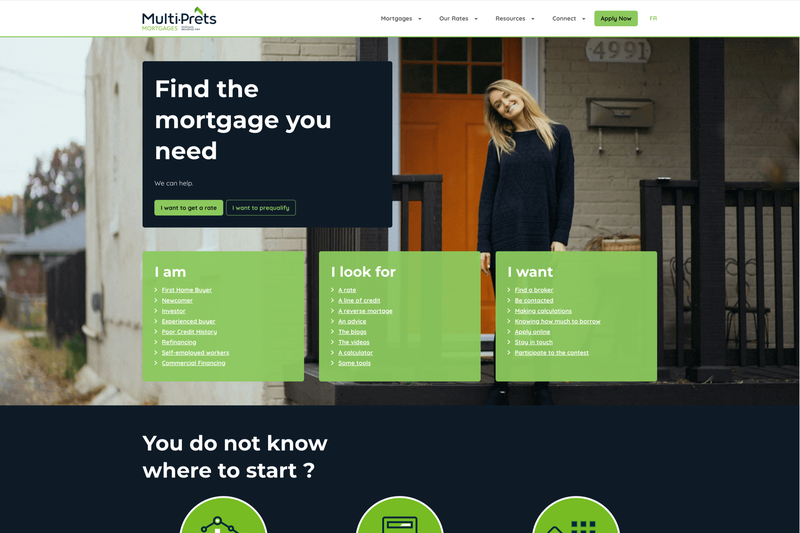
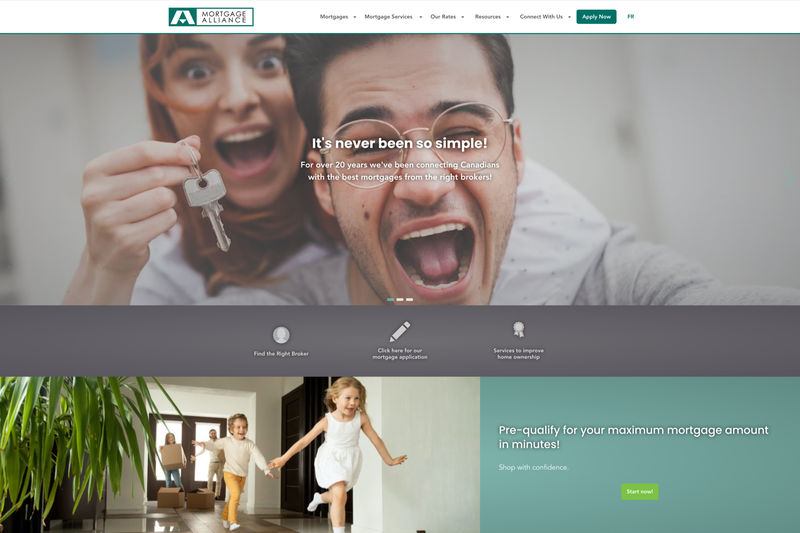
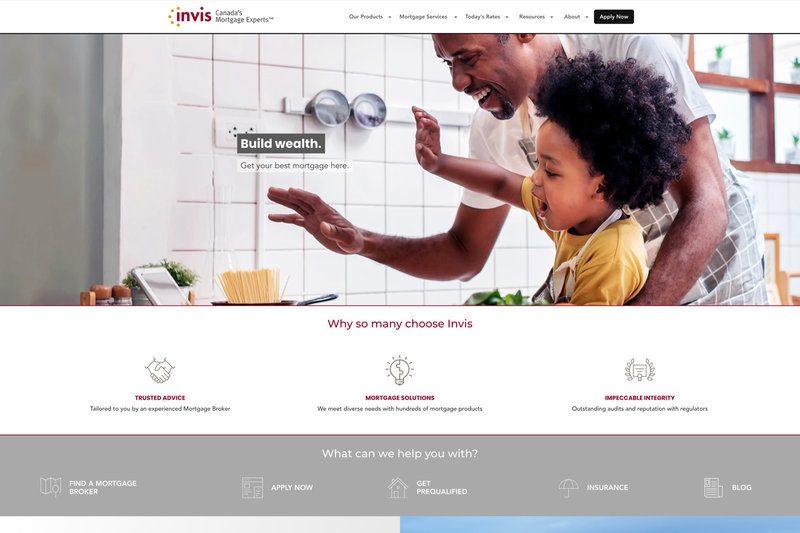
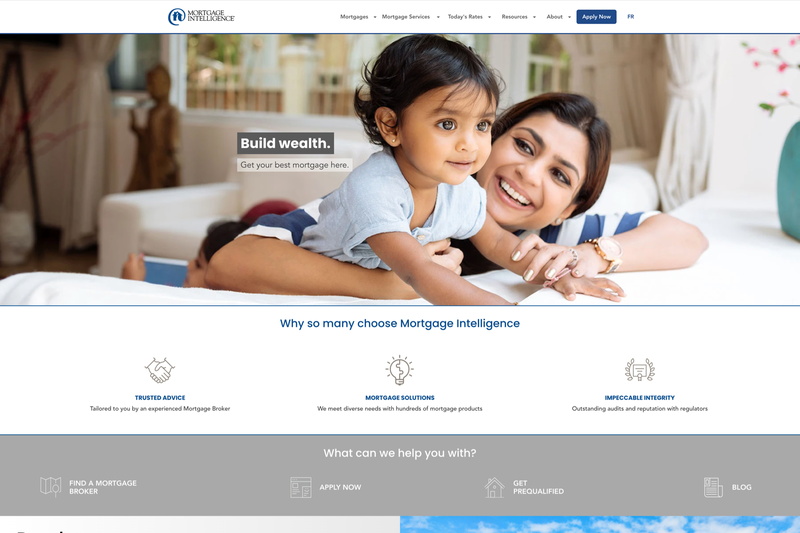
Mortgage, brokerage and investment platforms: advisor directories, rate and product data, lead routing, and compliance-sensitive content. A large part of our portfolio.
Publishing workflows, deep archives, taxonomy that still works at scale, and the performance work a large library demands.
Multisite networks, several stakeholder groups, staged environments, and release processes that have to fit an internal IT cycle.
Product catalogues, commerce and subscription flows, and campaign pages that marketing can build without a developer in the loop.
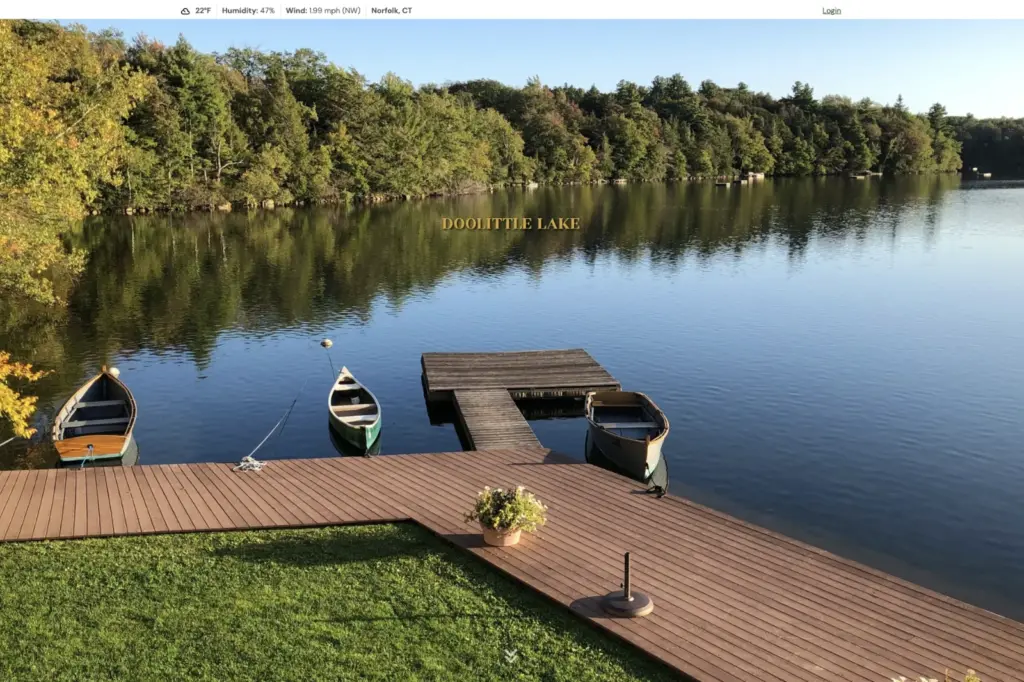
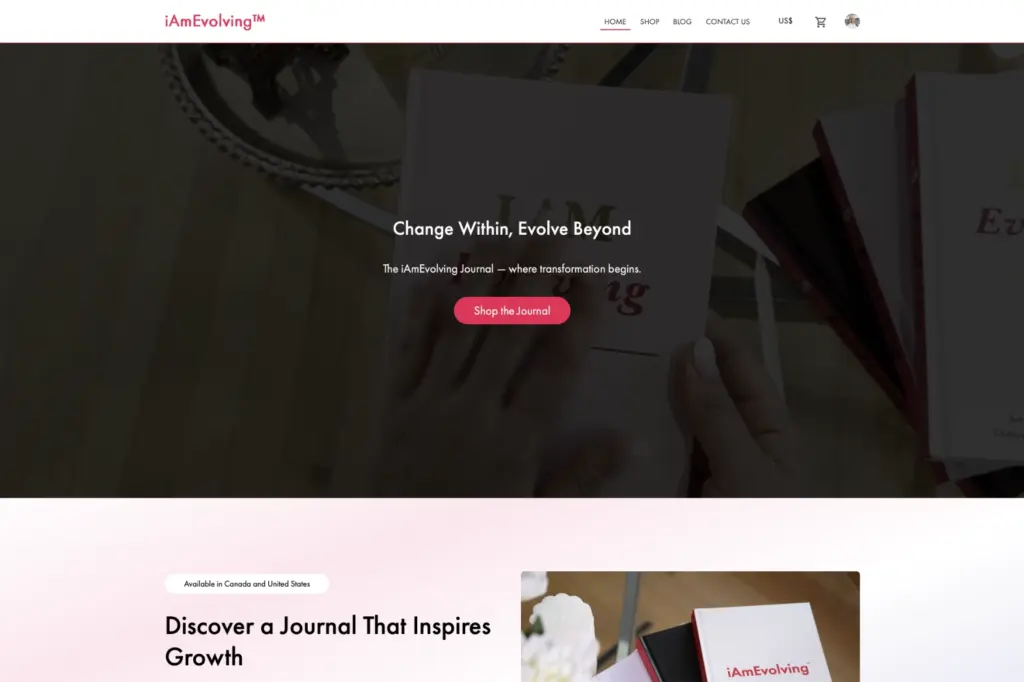
Enterprise mortgage platforms, a members-only community portal, a custom commerce and course platform, bilingual lead-generation sites. Each case study below sets out the requirement, the approach we took, and what changed.
Tell us about your website, migration, integration or modernization requirements. We will review the project and come back with the approach we would take, what it depends on, and where the risks are, before any quote.
A migration is where most of the risk in a web project sits. A design can be revised after launch. A botched content move usually cannot.
We treat migrations as their own discipline. Before anything moves, we inventory what exists: every URL, every content type, every media file, the metadata, and the search performance attached to each page. That inventory drives the redirect map and the new content model, rather than the other way around.
From there the work is mechanical and checkable: scripted content transfer with a reconciliation report, media and users moved with their relationships intact, a redirect for every retired URL, and a full crawl of the new site against the old inventory before launch. Structured data, canonical tags and hreflang are rebuilt as part of the move, not repaired afterwards.
Four answers decide most of the effort, and they are the first things we ask for.
WPlook Studio works from Montreal and has been building WordPress sites for more than twenty years. Being here matters for the work we do in Québec: bilingual delivery is normal rather than an add-on, the language obligations that apply to organizations operating in the province are familiar ground, and we can sit in a room with a client when a project calls for it.
It has never limited who we work with. Many of our clients are elsewhere in Canada, and those projects run the way they have run for years: scheduled calls, shared staging environments, written specifications, and a client contact who can reach the developer directly. Time zones matter more than postal codes.
There is no useful average, because the range is genuinely wide. A focused redesign on an existing content base and a multi-system platform rebuild are different orders of magnitude. What sets the number is the amount of custom development, the number of integrations, how much content has to move, and whether accessibility and bilingual delivery are in scope. We scope in phases and estimate each phase in writing, so you can see what every part costs before committing to all of it.
Yes. Many of our clients are elsewhere in Canada. Projects run remotely with scheduled calls, shared staging environments and written specifications, and we meet in person when it is useful and practical.
Yes, and it is a large share of our work. We usually rebuild in place, keeping the URLs, migrating the content, and replacing the theme and templates underneath. A redesign should not cost you the visibility the site has already earned, and the avoidable reasons it might are the ones we plan around.
Yes. Large migrations are a regular part of our work, including moves from other content management systems and consolidations of several sites into one. It starts with a full inventory of URLs, content types, media and search performance, which drives the redirect map and the new content model.
Yes. We offer ongoing support and development: core and plugin updates, backups, monitoring, security patching and new feature work. It is handled by the developers who built the site.
Yes. We build integrations with CRMs, member and association systems, payment and booking platforms, rate and product feeds, and internal tools, working against documented APIs with logging and error handling rather than stacking plugins.
Yes. We build to WCAG 2.1 AA: semantic structure, keyboard navigation, colour contrast and accessible components. We also set up the editing experience so that content added later stays accessible. Accessibility is part of the build, not an audit at the end.
Yes. We work from documented scopes, phased timelines and written technical specifications, and can provide the accessibility, security, hosting and maintenance information that procurement processes usually require.