iAmEvolving – Custom WordPress Platform
iAmEvolving

How WPlook Studio delivers complex WordPress projects for organizations across Canada. A documented process, senior developers on every phase, and a handover your own team can work with.
Every project moves through the same eight phases. The scale changes with the platform. The order does not. Each phase ends with something written down, so the next one starts from a decision rather than an assumption.
We start with your requirements, your content and your systems. Who owns which pages. What has to integrate. What the current site already gets right. Discovery ends in a written scope.
We settle the technical shape before building. Content types, templates, integration points and the hosting model are decided, documented, and reviewed with your team.
We design how content is structured and entered. Fields, relationships and taxonomies are set so editors can work without a developer, and so the structure still holds at ten times the volume.
Custom themes, blocks and plugins, written to WordPress coding standards. Work happens in version control, with code review on every change and a staging environment your team can see.
Testing runs against the specification, across browsers and devices, including keyboard and screen reader checks. Accessibility problems are fixed in the build rather than logged for later.
Content, media, users and URLs move with a reconciliation report and a redirect for everything retired. We crawl the new site against the old inventory before anyone signs off.
A scheduled cutover with a rollback plan. DNS, certificates and search settings are checked, and monitoring is running before the announcement goes out.
Updates, backups, monitoring, security patching and new development, handled by the people who built the platform.
Internal IT and procurement teams tend to ask for the same evidence. We produce it as part of the work, rather than assembling it after the fact.
What is being built, what it depends on, and what is out of scope. Priced by phase, so you can approve the work in stages.
Every content type, field and relationship, written down. Your next developer does not have to reverse engineer the database.
A real URL your team can review at any point. Feedback lands against something you can click, not a screenshot.
What was tested, how, and what was fixed. The evidence a compliance, IT or procurement reviewer asks for.
Every old URL, where it now points, and a reconciliation count for the content that moved.
Source in version control, deployment documented, and a walkthrough with your team. You own what we build.
Most of our projects run remotely, and the way we work is set up for it. Calls are scheduled rather than ad hoc, decisions go in writing, and the staging environment is open to everyone who needs it.
Distributed stakeholders are the normal case. A municipal site has several departments with competing priorities. An association has a board, a membership team and a communications lead. In a company, marketing, compliance and IT each sign off before launch. We structure reviews so each group sees the part it owns, and so one late opinion does not reopen a settled decision.
Bilingual delivery is standard. We build and maintain English and French sites together, including the URL structure, the language switching, the hreflang signals and the editorial workflow that keeps both versions in step. For organizations with official language obligations, this is planned into the content model rather than bolted on.
Procurement is part of the process. A formal review asks for specifics, and we supply the ones below in writing.
What we hand a formal review.
Standards are only useful if they are the default rather than the exception. These apply to every project, at every size.
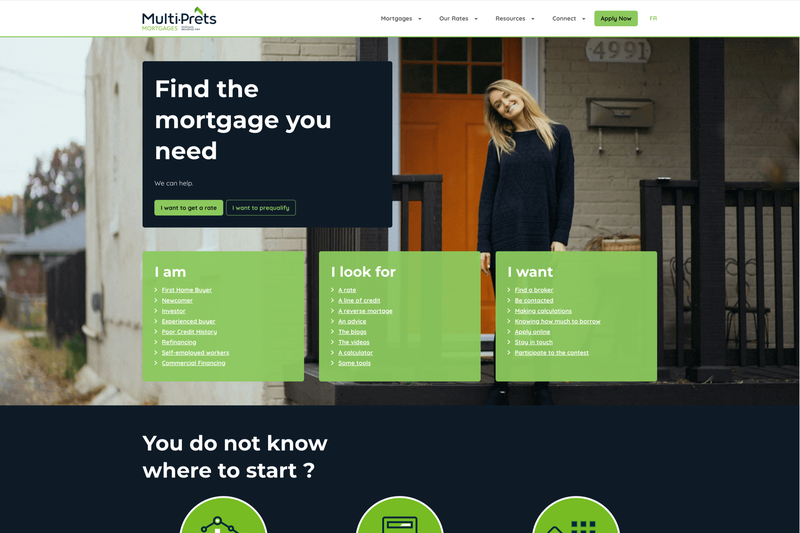
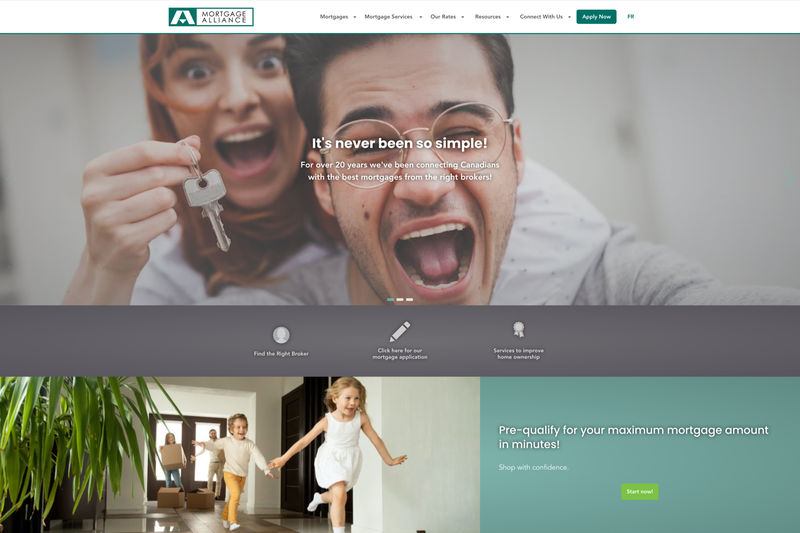
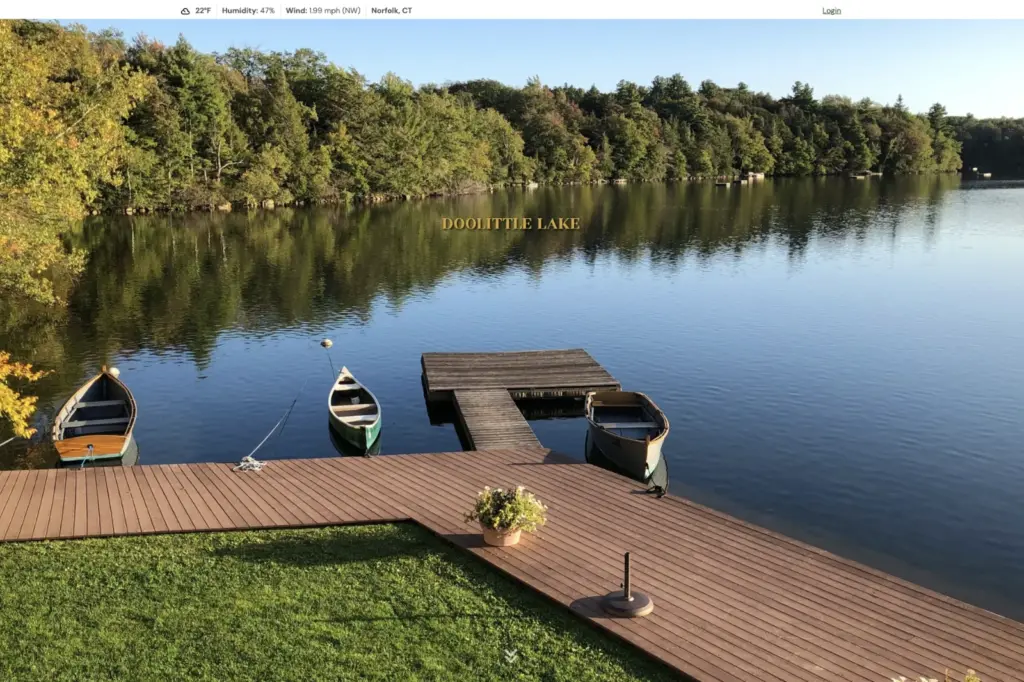
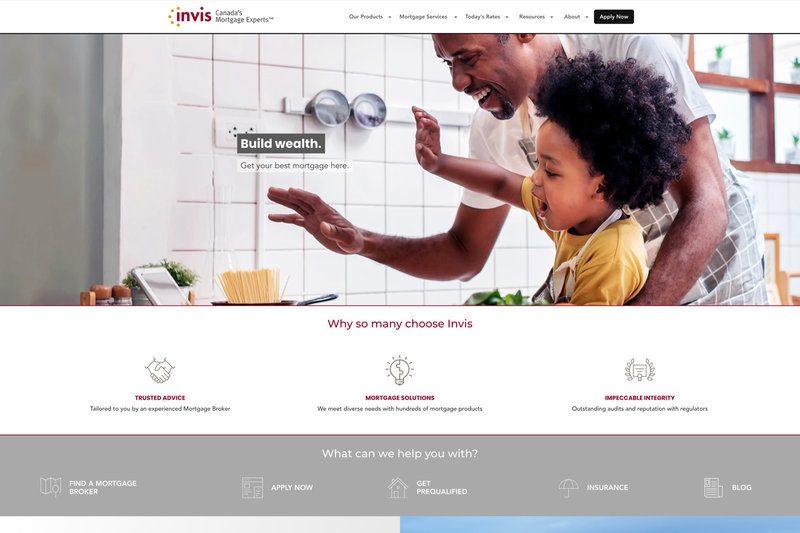
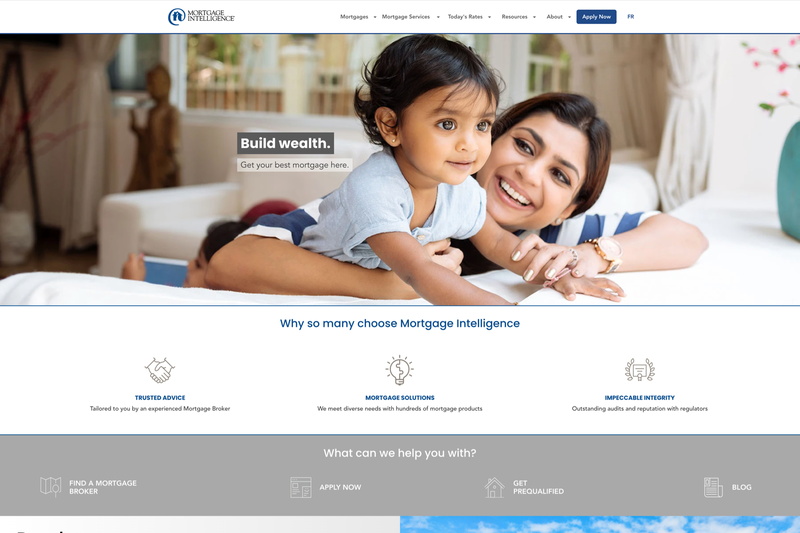
Five mortgage brands of the M3 Tech group on one shared platform, a members-only portal for a private lake club, and a custom commerce and course platform. Each case study shows where the project started and which of these phases it needed.
Send us the requirements, however rough. We will come back with the phases we would run, what each one depends on, and where we think the risk sits. That review comes before any quote.
A focused redesign on an existing content base usually runs two to four months. A platform rebuild with integrations and a large migration runs longer. Discovery and architecture are the phases people underestimate. We give a phase-by-phase timeline with the specification, so the schedule is visible before you commit.
A decision maker who can approve scope, someone who knows the content, and access to whoever owns the systems we need to integrate with. Reviews are scheduled at the end of each phase. Between them, the demand on your team is light.
Yes. We supply hosting, access, update and security detail in writing, and we can work inside your deployment and review requirements. If your IT group wants the code in their own repository or the site on their infrastructure, that is a normal arrangement.
Yes. Bilingual delivery is standard rather than an add-on. We plan the URL structure, language switching, hreflang signals and editorial workflow at the content modelling stage, so both languages stay in step after launch.
Yes, and it is common. We start with an audit of the code, the content model and the hosting, then give you an honest assessment of what is worth keeping. Sometimes the answer is a rebuild. Sometimes it is a smaller fix than expected.
Support and development continue with the same people. That covers core and plugin updates, backups, monitoring, security patching and new feature work. Most clients stay on an ongoing arrangement rather than returning for one-off fixes.
Yes. We work from documented scopes, phased timelines and written technical specifications, and can provide the accessibility, security, hosting and maintenance information formal reviews ask for.
We price by phase. Discovery and architecture are quoted first, because they are what makes the rest estimable. Once the specification exists, the build phases are quoted against it. This keeps you from committing to a number for work nobody has scoped yet.