WordPress development across Canada, phase by phase
How WPlook Studio delivers complex WordPress projects, from the first written scope to support after launch. A documented process, a senior lead on every phase with the team, and a handover your own people can work with.
- Senior-led with the team on every phase, from discovery to support
- A written specification before any code is written
- Remote delivery across provinces and time zones, by email and in writing
- English and French projects run as standard
How a WordPress project runs
Every project moves through the same eight phases. The scale changes with the platform, the order does not. Each phase ends with something written down, so the next one starts from a decision rather than an assumption.
-
Discovery
Your requirements, your content and your systems: who owns which pages, what has to integrate, and what the current site already gets right. Discovery ends in a written scope.
-
Architecture
The technical shape is settled before building. Content types, templates, integration points and the hosting model are decided, documented and reviewed with your team.
-
Content modelling
Fields, relationships and taxonomies are set so editors can work without a developer, and so the structure still holds at ten times the volume.
-
Development
Custom themes, blocks and plugins written to WordPress coding standards, in version control, with code review on every change and a staging site your team can see.
-
QA and accessibility
Testing against the specification across browsers and devices, including keyboard and screen reader checks. Accessibility problems are fixed in the build, not logged for later.
-
Migration
Content, media, users and URLs move with a reconciliation report and a redirect for everything retired. The new site is crawled against the old inventory before sign-off.
-
Launch
A planned cutover with a rollback plan. DNS, certificates and search settings are checked, and monitoring is running before the announcement goes out.
-
Support
Updates, backups, monitoring, security patches and new development, handled by the team that built the platform.
Each phase is estimated in writing before it starts, so you can approve the work in stages.
What you receive besides the website
Internal IT and procurement teams tend to ask for the same evidence. We produce it as part of the work instead of assembling it at the end.
A written specification
What is being built, what it depends on and what is out of scope, estimated phase by phase so you can approve the work in stages.
Content model documentation
Every content type, field and relationship, written down. Your next developer does not have to reverse engineer the database.
A staging site
A real address your team can review at any point, so feedback lands on something you can click rather than a screenshot.
An accessibility report
What was tested, how, and what was fixed. The evidence a compliance, IT or procurement reviewer asks for.
A redirect map and migration log
Every old URL and where it now points, with a reconciliation count for the content that moved.
The codebase and handover notes
Source in version control, deployment documented, and written handover notes for your team. You own what we build.
Working with organizations across Canada
Most of our projects run remotely, and the way we work is set up for it. Decisions go in writing, questions are answered by email within one business day, and the staging site is open to everyone who needs it.
Several groups with a say in the site are the normal case. A municipal site has departments with competing priorities. An association has a board, a membership team and a communications lead. In a company, marketing, compliance and IT each sign off before launch. We set up reviews so each group sees the part it owns, and so one late opinion does not reopen a settled decision.
English and French sites are built and maintained together, including the URL structure, the language switcher, the hreflang signals and the editorial workflow that keeps both versions in step. For organizations with official language obligations, this is planned into the content model from the start.
Procurement is part of the process. A formal review asks for specifics, and we supply these in writing.
- A documented scope and a phased timeline
- Accessibility and security detail
- Hosting and maintenance terms
- Websites since
- 2002
- WordPress since
- 2005
- Incorporated in Québec
- 2014
- Languages
- English and French
What we hold the work to
These apply to every project, whatever its size. A standard only helps if it is the default.
-
WordPress coding standards
Core conventions for PHP, JavaScript and CSS, so any competent WordPress developer can read the codebase without a tour.
-
Version control and review
Every change is committed, reviewed and traceable. You can see what shipped, when, and why.
-
WCAG 2.2 AA
Semantic structure, keyboard operation, colour contrast and accessible components, tested rather than assumed.
-
Performance targets
Core Web Vitals targets agreed during architecture, then measured before launch. A slow page is treated as a defect.
-
Security and updates
Hardening, least-privilege access, monitored updates and a patching schedule you can show an auditor.
-
Documentation as a deliverable
Written as the work happens, so nothing has to be reconstructed at handover. It is how a platform survives a change of agency or staff.
Tell us what you are planning
Send us the requirements, however rough. We will reply with the phases we would run, what each one depends on, and where we think the risk sits. That review comes before any quote.
Tell us about your projectPlatforms we have built and modernized
Each case study shows where the project started and which of these phases it needed.
All case studies-
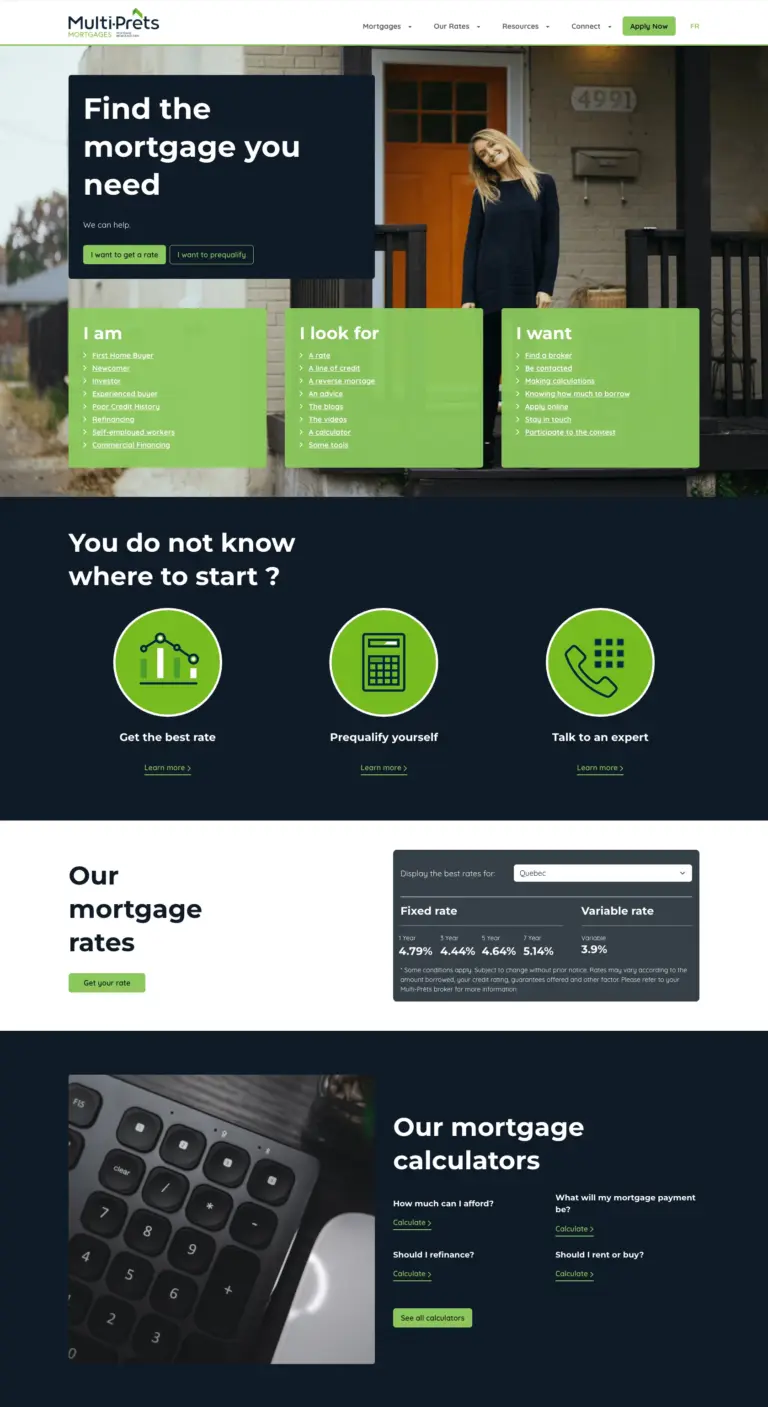
Taking over five mortgage brands from a US agency
The M3 Tech group’s five mortgage brands, taken over from a US agency at a lower cost, then developed for four years.
-
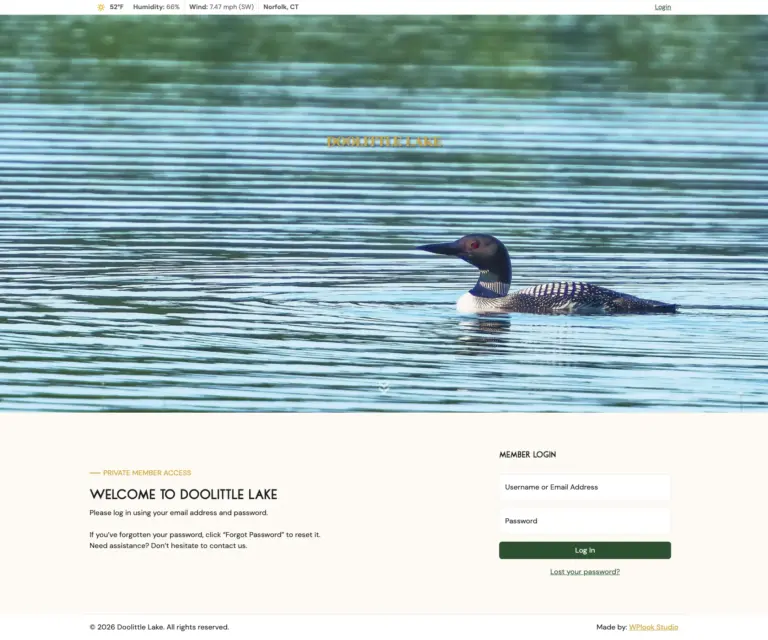
Private members portal for a lake club
Separate access for members and shareholders, secure document downloads, and navigation that follows each member’s role.
-
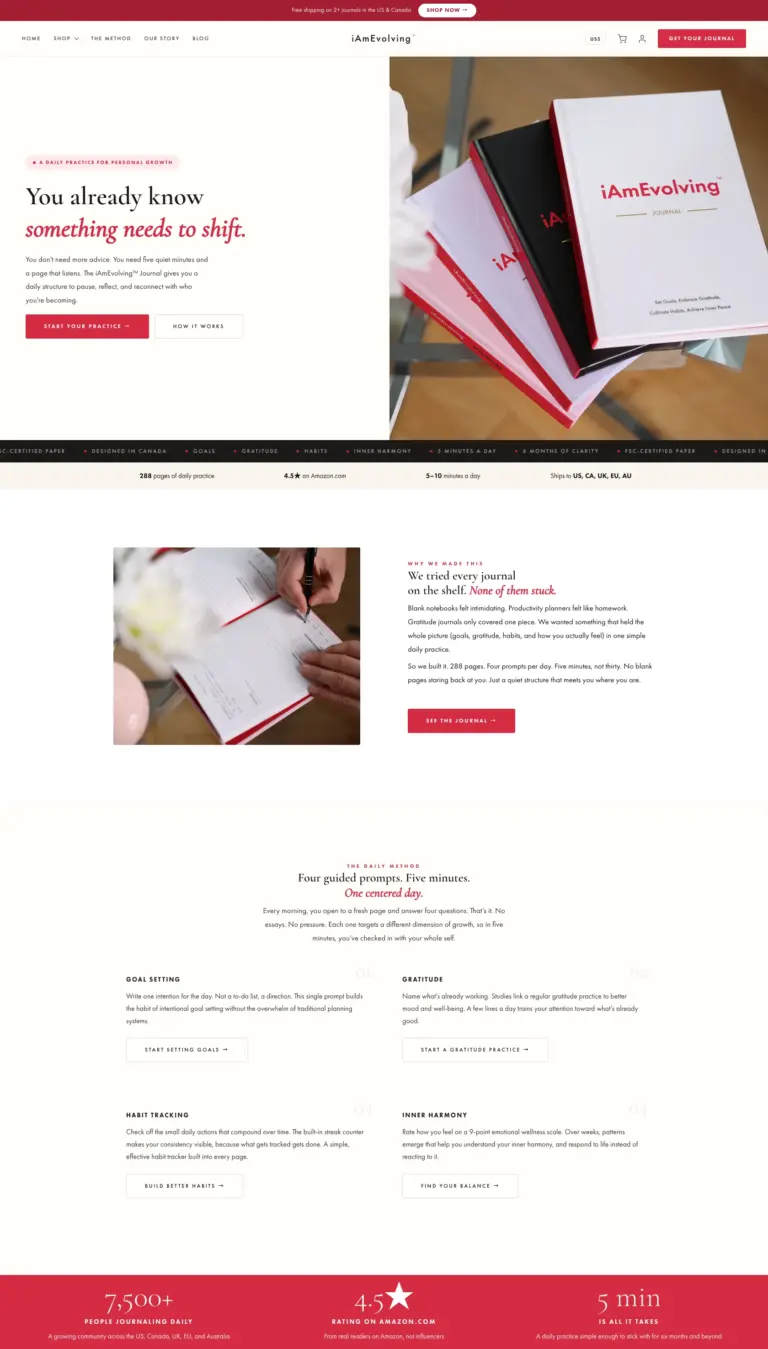
Custom platform with e-commerce and a newsletter
Its own shop, newsletter and course delivery, in a custom theme built without WooCommerce or a page builder.
Questions about how we work
How long does a WordPress project take?
Every project is different, so the timeline comes from your scope. A design-only refresh can start from about two weeks. A platform rebuild with integrations and a large migration takes longer. Discovery and architecture are the phases people underestimate. The specification comes with a phase-by-phase timeline, so you see the schedule before you commit.
What do you need from our team?
A decision maker who can approve scope, someone who knows the content, and access to whoever owns the systems we integrate with. Your team reviews the work on the staging site at the end of each phase. Between reviews, the demand on your people is light.
Can you work with our internal IT or security review?
Yes. We supply hosting, access, update and security detail in writing, and we can work inside your deployment and review requirements. If your IT group wants the code in its own repository or the site on its own infrastructure, that is a normal arrangement.
Do you work in English and French?
Yes, as standard. The URL structure, language switcher, hreflang signals and editorial workflow are planned at the content modelling stage, so both languages stay in step after launch.
Can you take over a site another agency built?
Yes, and it is common. We start with an audit of the code, the content model and the hosting, then give you a straight assessment of what is worth keeping. Sometimes the answer is a rebuild. Sometimes the fix is smaller than expected.
What happens after launch?
Support and development continue with the team that built the platform: core and plugin updates, backups, monitoring, security patches and new features.
Can you work within our procurement or vendor approval process?
Yes. We work from documented scopes, phased timelines and written technical specifications, and we provide the accessibility, security, hosting and maintenance information a formal review asks for. RFPs can be sent to rfp@wplook.ca.
Do you provide fixed-price quotes?
We estimate by phase. Discovery and architecture are estimated first, because they make the rest estimable. Once the specification exists, the build phases are estimated against it, so you are not asked to commit to a number for work nobody has scoped.