iAmEvolving – Custom WordPress Platform
iAmEvolving

A purchased theme fixes the shape of a website before anyone has asked what it needs to do, and every requirement after that is worked around it. Custom development starts from the requirements and produces something that stays maintainable as they change.
Custom development is not automatically the right call. For a straightforward site with conventional content and no integrations, a well-chosen theme is faster and cheaper, and we will say so. The calculation changes when the site has to do something specific, and it usually changes earlier than people expect.
The cost of a theme is rarely the licence. It is the accumulation of workarounds: the plugin added because the theme could not do one thing, the child theme overriding half the parent, the page built with twelve nested containers because the layout was not anticipated, and the update that cannot be applied because of all three. Two years in, an organization is paying for a custom build anyway, in monthly increments, without owning one.
People, locations, programs, documents, products, events: things with fields and relationships, not just pages with text. Structured content needs a model, and a model is not something a theme can supply.
If a team updates the site weekly, the editing experience is the product. A constrained set of blocks that produce correct markup beats an open canvas that can produce anything, including a mess.
Custom post types, taxonomies and meta designed around what the organization manages, with the relationships between entities modelled properly. This is the decision everything else inherits, and the one that is a migration rather than a refactor if it is wrong.
Server-rendered Gutenberg blocks that give editors a component set rather than a blank page. Markup, structure and accessibility behaviour live in the block, so every instance is correct and the design system holds as the site grows. See our Gutenberg development work.
Built from the design system rather than from a starter with features stripped out. Templates that render the content model, a build pipeline, and no code carried along for a use case the site does not have.
Calculators, directories, search interfaces, dashboards, import routines, admin tooling. Written as plugins where the functionality should outlive the theme, and documented for whoever maintains it next.
Custom REST namespaces where another application, a front end or a partner system needs to read or write. Authenticated, validated, rate-aware, and versioned.
Roles and capabilities mapped to real responsibilities, review and preview that show the real page, and publishing flows that do not need a developer on standby.
Tell us what the site has to do and who has to maintain it. We will tell you which parts genuinely need custom work and which do not. The second list is usually longer than people expect.
The measure of a custom build is not how it looks at launch. It is whether a developer who has never seen it can pick it up in two years and change something without breaking three other things. We write to WordPress coding standards, keep the codebase in version control with the configuration that defines the site, document the architecture and the decisions behind it, and avoid clever solutions that only work while the person who wrote them is available.
That matters commercially as much as technically. A platform that only one supplier can maintain is not an asset, and organizations in formal procurement are usually required to be able to demonstrate otherwise.
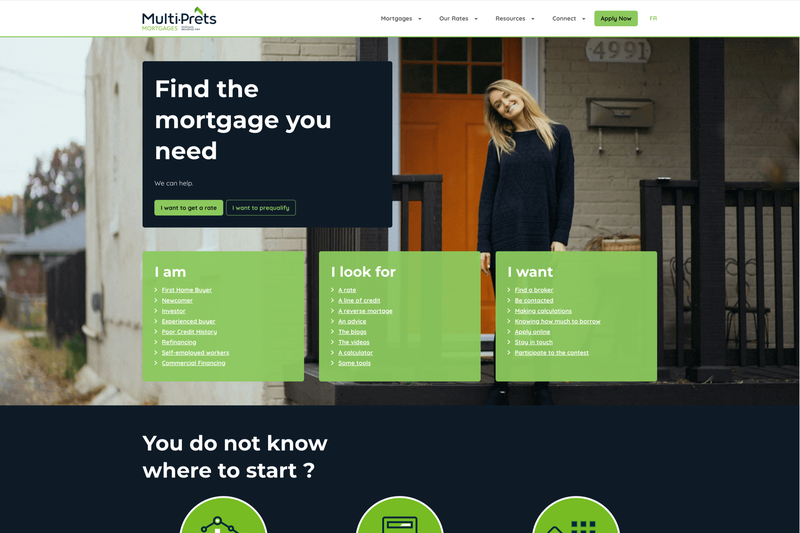
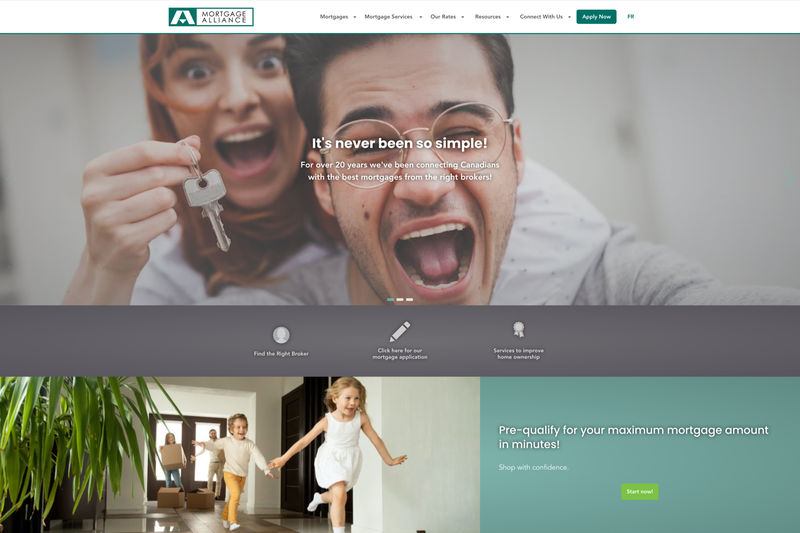
Five mortgage and brokerage brands. The M3 Tech platform runs custom post types for employees, offices, franchises, regions, jobs and lenders, kept in sync with the client’s BOSS CRM, with React admin interfaces for managing that data and a shared Gutenberg block library in the parent theme.
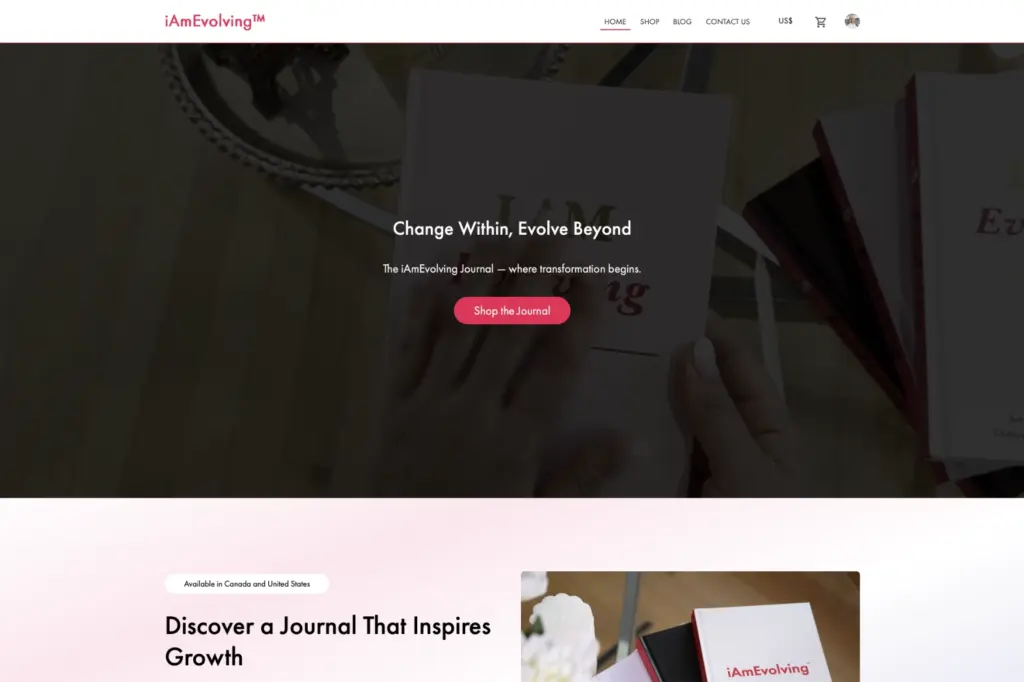
A commerce platform with no commerce plugin. iAmEvolving® is a custom theme built from nothing: no WooCommerce, no third-party email plugin, no page builder. It carries its own shop, a newsletter and automation engine running off cron, course delivery with drip scheduling, and thirty-five custom blocks.
A members’ portal with its own permission model. Doolittle Lake Club has custom Member and Shareholder roles with multi-role support, two document post types with separate access, a secure download system, an inventory post type and role-aware navigation. None of that is a plugin setting.
Each of these started from a requirement a theme could not meet. The case studies set out what was built and why.
More expensive to start, and frequently cheaper by year three. A theme’s cost is not its licence, it is the workarounds: the plugins bought to fill gaps, the developer time spent fighting templates that were not designed for your content, and the update that cannot be applied because of both. The comparison worth making is the total over the life of the platform, not the invoice at launch. For a simple site with conventional content, the theme still wins, and we will tell you when that is the case.
No, and we treat that as a requirement rather than a reassurance. The code is written to WordPress coding standards, kept in version control that you own, and documented at the time rather than reconstructed at handover. Organizations in formal procurement usually have to demonstrate that another supplier could take the platform on, and that is a test we expect the work to pass.
No. A page builder solves the same problem a block library solves, and it solves it by storing layout and markup in the database, which is what makes a site expensive to change later. We build server-rendered Gutenberg blocks instead, so markup comes from code at request time and a correction applies to every page that uses the block, including pages published years earlier.
Yes, and it is common. Where a brand palette cannot meet AA contrast on interface elements we will raise it early and propose variants for those elements rather than quietly ship something that fails a later review.
The content model and the integrations decide it far more than the design does. A site with a handful of content types and no external systems is a different project from one modelling entities with relationships and reading from a CRM. We phase the work and estimate each phase in writing, so the timeline comes from decided scope rather than from an average.
Most of what a communications team wants to change should not need us at all, which is the point of a designed block library. For the rest, the same developers who built the platform carry on with it. See maintenance and support.